

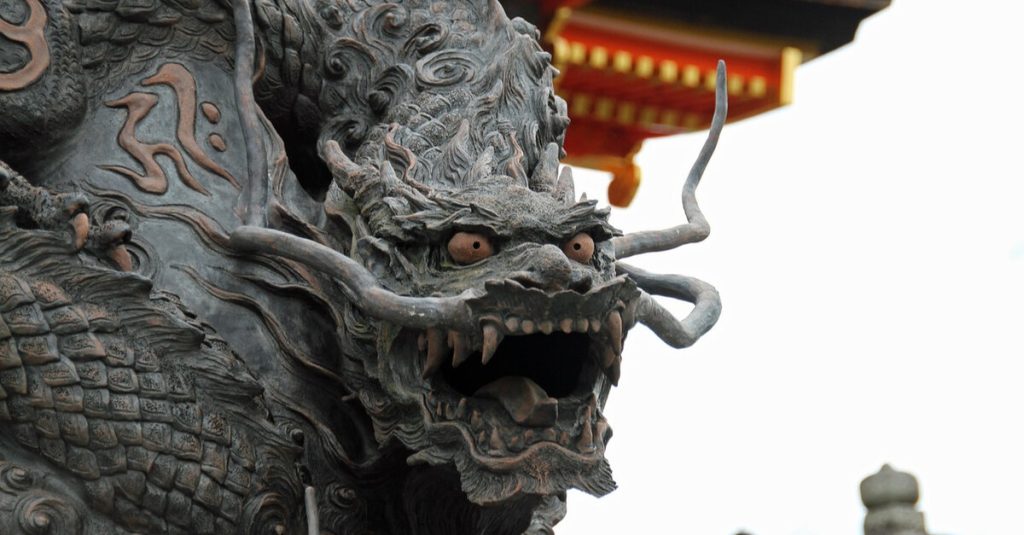
When we talk about national holiday China, we’re talking about more than public days off. In China, national holidays are deeply tied to tradition, seasonal cycles, and cultural values. These holidays reflect respect for ancestors, the importance of family unity, and pride in national identity. For Indonesian readers, especially students, educators, or schools that teach Mandarin, understanding Chinese holidays offers a unique window into the heart of Chinese culture and strengthens cross-cultural connection.
The Main National Holidays in China
The most important celebration on the Chinese calendar is Chinese New Year (Spring Festival), usually held between January and February. It marks a fresh beginning, with families reuniting, cleaning homes, lighting fireworks, and giving red envelopes (hongbao) filled with money. It’s the most anticipated time of year.
In early April comes the Qingming Festival, or Tomb-Sweeping Day. It’s a quiet, reflective time when families visit the graves of their ancestors, clean tombs, and pay respects to those who came before them. It’s a powerful expression of family loyalty and remembrance.
Labor Day (May 1st) is observed in both China and Indonesia, celebrating workers and their contributions. In China, it often comes with short vacations and local travel.
The Dragon Boat Festival usually falls in June. It commemorates the poet Qu Yuan through vibrant dragon boat races and the tradition of eating sticky rice dumplings (zongzi). It’s a holiday filled with legend, competition, and food.
In September, families celebrate the Mid-Autumn Festival, centered around the full moon, mooncakes, and stories like that of the moon goddess Chang’e. It’s a time for reunion and gratitude during the harvest season.
Finally, National Day on October 1st celebrates the founding of the People’s Republic of China in 1949. It begins Golden Week, a full week of holidays that sparks massive domestic travel and national pride.
How Chinese Holidays Differ from Indonesian Celebrations
One major difference is focus. In Indonesia, most national holidays are tied to religion, including Islamic, Christian, Hindu, or Buddhist traditions. In China, many holidays are cultural or seasonal, rooted in agriculture, family, or political history.
The lunar calendar also plays a big role in Chinese holidays. Events like Chinese New Year and Mid-Autumn Festival shift dates every year, unlike Indonesia’s mostly fixed-date holidays.
Ancestor worship and storytelling are also more prominent in China. Festivals like Qingming or the legends around Dragon Boat and Mid-Autumn reflect deep respect for the past and mythological imagination, something that feels unique compared to Indonesia’s more spiritual or ceremonial tone.
Read more: What “National Holidays” Say About a Country: It’s Not Just Economics
Another clear contrast is the length of holidays and travel culture. China’s Golden Week and New Year breaks are major travel events. In Indonesia, holidays are more evenly spread and typically shorter, with fewer mass migrations during national breaks.
Chinese celebrations are also more visually symbolic. Lanterns, dragons, red decorations, and fireworks create a vibrant atmosphere, while Indonesian holidays lean toward spiritual reflection or quiet family time.

Leave a Reply